The Fundamentals of Probability in Gambling
Probability forms the backbone of decision-making in gambling, guiding players through the unpredictable landscape of games. In essence, probability measures the likelihood of an event occurring, expressed as a number between zero and one. When it comes to casino games, understanding the probability associated with each outcome can significantly enhance a player’s strategy, especially for those who choose to explore 1win for their gaming options. For instance, in a game of roulette, the probability of landing on a specific number is 1 in 37 for a standard European wheel, which can influence betting behavior and risk assessment.
A deeper comprehension of these probabilities allows players to make informed choices. Instead of simply relying on luck, which is a common misconception, players equipped with probability knowledge can analyze outcomes better and identify potential winning strategies. For games like blackjack, where players face off against the dealer, understanding card probabilities can alter game decisions significantly, such as whether to hit or stand based on the dealer’s visible card.
Moreover, understanding probability also sheds light on the house edge, a critical concept in gambling. The house edge represents the average profit the casino expects to make from each game. Knowing this can help players gauge their potential losses and the time frame they are willing to commit to gambling. This knowledge empowers players not only to participate intelligently but also to manage their expectations appropriately as they engage with different games.
Understanding Odds in Casino Games
Odds are closely related to probability and serve as a tool for players to understand their chances of winning in various casino games. For instance, in a game like craps, the odds offer insights into how often a player might expect a winning roll to occur. Knowing how to interpret these odds can help players adjust their betting patterns effectively. For example, if the odds of rolling a seven are 6 in 36, players can choose to place bets that maximize their chances of winning based on this statistical likelihood.
Different games present different odds, and part of mastering the casino experience involves learning these nuances. In slot machines, odds can vary widely from one machine to another. Players might find that one machine offers a higher return-to-player (RTP) rate, suggesting better odds of winning over time. This type of strategic approach contrasts sharply with merely relying on intuition or luck, emphasizing the importance of understanding the mathematical foundation behind each game.

Moreover, understanding betting odds helps players grasp the concept of value betting. This is a strategy where players look for bets that offer better odds than what the actual probability suggests. For example, if a game suggests the likelihood of winning is 50% but the odds offered are significantly higher, it could indicate a smart betting opportunity. Recognizing when value lies in a bet versus when to pass based on odds is crucial for long-term success at the casino.
The Role of Strategy in Probability Management
Once players grasp the basics of probability and odds, they can develop tailored strategies to improve their gaming experience. For example, in games like poker, decision-making is greatly influenced by probability. Players who employ strategies such as pot odds calculation can determine whether it’s worth calling, raising, or folding based on the potential return versus the cost of the bet. This kind of strategic thinking can drastically enhance a player’s performance over the long run.
Implementing a well-thought-out strategy also means managing bankroll effectively. Probability can help players decide how much to bet at any given time, which is essential for prolonging play and minimizing losses. For instance, a player might choose to bet only a small percentage of their total bankroll on any single game or round, allowing them to stay in the game longer while reducing risk exposure. This disciplined approach to money management is integral to successful gambling.
Additionally, players can leverage probability by adjusting their strategies according to the game type. In games with more skill, such as blackjack or poker, understanding probability allows players to employ strategies that take advantage of favorable situations, such as when to double down or bluff. In contrast, in games of pure chance like slots, players can focus more on enjoyment while remaining mindful of their overall probabilities of winning or losing, allowing for a more balanced gambling experience.
The Psychological Aspects of Probability and Gambling
The psychological aspects of gambling intertwine tightly with the understanding of probability. Many players are often influenced by cognitive biases that can alter their perception of probability and odds, leading to poor decision-making. For example, the gambler’s fallacy is a common misconception where players believe that past outcomes can influence future results. This can lead to irrational betting patterns where individuals might hesitate to bet on a number that hasn’t come up recently, despite each spin being an independent event.
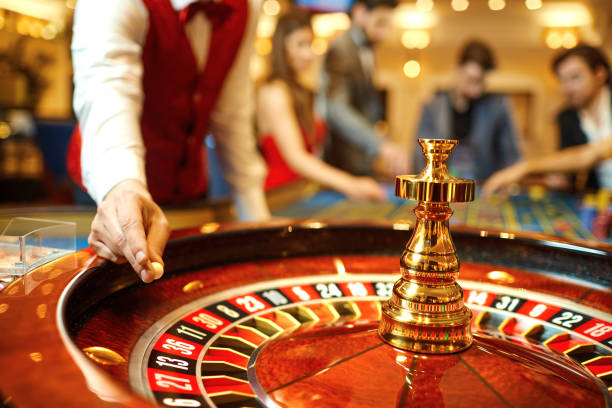
Moreover, emotional responses to wins and losses can cloud judgment. Players who experience a significant win may feel invincible, believing they can defy the odds. This psychological phenomenon can result in chasing losses—a behavior that often leads to poor financial decisions and increased risk-taking. Recognizing these tendencies can help players maintain a more rational approach to gambling, where the focus remains on informed decision-making rather than emotional reactions.
In essence, understanding the psychological factors at play can enhance a player’s overall gambling experience. Players who can balance their understanding of probability with self-awareness are better equipped to make decisions that lead to a more enjoyable and potentially profitable outcome. This holistic approach is essential for both seasoned gamblers and novices looking to navigate the complexities of the casino environment.
Exploring Resources for Probability and Casino Insights
If you’re eager to continue your education on probability in casino games, there are abundant resources available. Many websites offer in-depth analyses, mathematical explanations, and strategic insights tailored to various games. Additionally, books on probability theory and gambling strategies provide valuable perspectives that can help players refine their skills and understanding. Engaging with these resources can deepen your knowledge of the underlying mechanics of games, allowing you to approach your casino experiences with confidence.
Moreover, participating in online forums or local gambling groups can provide practical insights and firsthand accounts from other players. Discussions about successful strategies and probability applications can offer new perspectives on how to apply the concepts learned. Sharing experiences and strategies within a community not only enhances knowledge but also fosters a collaborative atmosphere for learning.
Ultimately, the journey to mastering probability in the casino landscape is one of continuous learning. With a commitment to understanding the basics and applying this knowledge through strategic approaches, players can elevate their gaming experience. Whether you’re playing for fun or aiming for bigger wins, leveraging resources will ensure you stay informed and engaged with the mathematical principles that drive casino games.
Comments are closed